 Skip to content


Your retail business is getting likes on Instagram, people are clicking your advertisements, and your website is receiving visitors. On paper, your marketing looks active. But there is one problem: very few people are actually buying.
This is a frustrating situation for many retail businesses in Pakistan. You invest in Facebook and Instagram advertisements, publish regular content, and try different promotions, yet the sales do not match the attention your marketing receives.
Understanding these challenges is part of building a stronger retail marketing strategy in Pakistan, where customer acquisition, brand visibility, and sales performance work together.
The problem is not always a lack of visibility. Sometimes, your marketing attracts the wrong audience. In other cases, customers are interested but cannot find enough reasons to purchase, do not trust the business, or encounter difficulties during the buying process.
Understanding why your retail marketing is not converting is the first step towards improving sales. This guide explains the common reasons retailers struggle to turn attention into customers and what you can do to fix them.
Why Attention Does Not Always Turn Into Sales
Getting attention and generating sales are two different marketing objectives.
A person might like your clothing post because they appreciate the design. Someone else might click your advertisement because the product looks interesting. Neither action guarantees that the person intends to purchase.
Customers generally move through several stages before making a buying decision:
- Awareness: They discover your brand or product.
- Interest: They explore your products and consider their options.
- Consideration: They compare prices, quality, reviews, and alternatives.
- Purchase: They decide to place an order or visit your store.
- Retention: They return for another purchase or recommend your business.
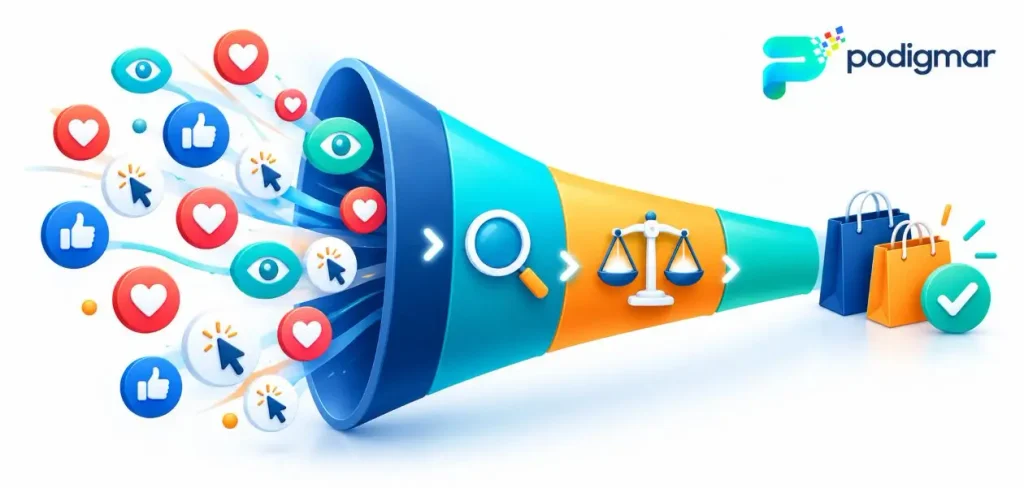
If your marketing focuses only on awareness, you may generate plenty of engagement without building a reliable path towards sales.
The objective is not simply to attract more people. It is to attract relevant customers and make purchasing easier for them.
7 Reasons Your Retail Marketing Gets Attention but Few Customers
1. You Are Attracting the Wrong Audience
One of the biggest reasons retail advertising fails to generate sales is poor audience targeting.
Your advertisements may reach thousands of people, but if those people have little interest in your products, the engagement will not translate into meaningful business results.
For example, a premium skincare brand targeting customers primarily interested in the cheapest available products may receive clicks without generating purchases. Similarly, a furniture showroom in Lahore may waste advertising expenditure reaching people outside its practical delivery area.
How to fix it:
Start by identifying your actual customers.
Consider their location, interests, purchasing power, product requirements, and buying behaviour. Review previous customers and successful orders to understand which audiences are most valuable.
For paid campaigns:
- Use relevant audience and location targeting.
- Focus on product categories with genuine customer demand.
- Separate different customer groups into appropriate campaigns.
- Review the quality of enquiries and purchases, not just engagement.
- Exclude irrelevant locations or audiences where appropriate.
Better targeting does not always mean reaching more people. It means reaching people who are more likely to buy.
2. Your Advertisements Get Clicks but Do Not Create Buying Interest
An advertisement can attract attention without giving customers a convincing reason to purchase.
For example, a clothing retailer might run an Instagram advertisement showing an attractive product photograph with the message “New Collection Available.”
The creative may look professional, but it does not answer important questions. What makes the collection different? The price range? What sizes are available? Why should someone choose this brand?
Customers need more than an attractive image to make a buying decision.
How to fix it:
Create advertisements that communicate a clear customer benefit.
Include relevant product information, useful visuals, pricing where appropriate, and a clear next step.
For example, instead of using a generic message such as “Shop Our New Collection,” a clothing brand could highlight a specific collection, available sizes, fabric details, and an easy way to explore products.
Test different headlines, product demonstrations, and calls to action. Measure which creatives generate meaningful enquiries and purchases.
3. Your Website or Landing Page Is Not Converting Visitors
Imagine a customer clicks your Google advertisement for a specific product. Instead of reaching the relevant product page, they land on your homepage and have to search for the item themselves.
Some customers will continue exploring. Others will simply leave.
This is a common problem when retailers focus on getting website traffic but overlook the experience after the click.
A website should help visitors understand the product and complete the purchase without unnecessary effort.
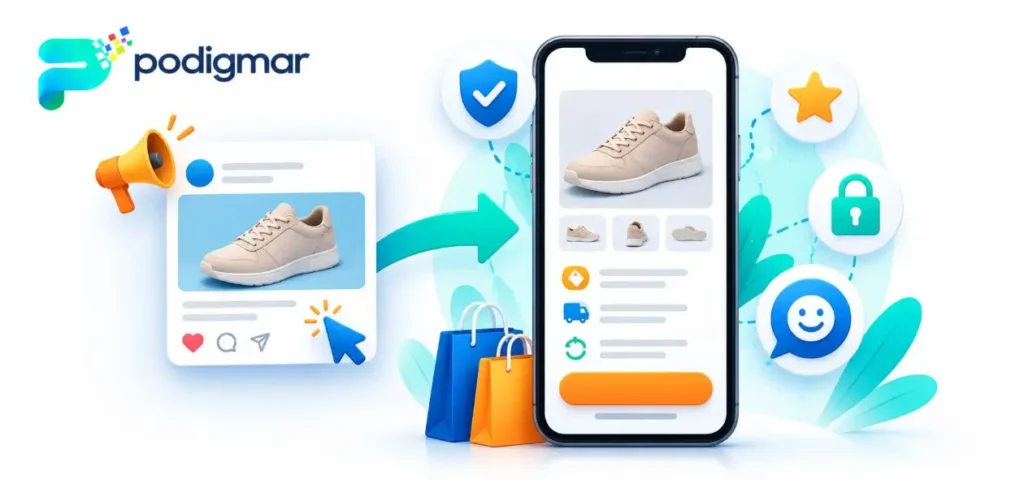
How to fix it:
Review your website from a customer’s perspective.
Check whether:
- Product pages include clear descriptions and quality photographs.
- Prices and delivery information are easy to find.
- Product variations, sizes, and availability are clear.
- The website works properly on mobile devices.
- Customers can find payment and return information.
- Checkout requires as few unnecessary steps as possible.
- Calls to action are visible and understandable.
Send advertising traffic to relevant landing pages rather than directing every campaign to the same homepage.
If you use WooCommerce, test the complete journey yourself, from opening a product page to placing an order.
4. Customers Do Not Trust Your Retail Business Enough to Purchase
Trust is particularly important when customers are buying from an unfamiliar online retailer.
A visitor might like your product and find the price reasonable but still hesitate because they are unsure about product quality, delivery, payment security, or returns.
For example, a Pakistani customer shopping from a new online cosmetics store may want to know whether products are authentic, how delivery works, and what happens if an item arrives damaged.
If your website does not answer these questions, customers may choose a more familiar competitor.
How to fix it:
Make important business information easy to find.
- Display genuine customer reviews and testimonials.
- Provide accurate contact information.
- Explain shipping, delivery, and exchange policies.
- Use clear product photographs and descriptions.
- Show available payment methods.
- Respond professionally to customer enquiries.
- Avoid unsupported claims and misleading discounts.
For physical retailers, consistent business information, genuine Google reviews, and real store photographs can also help strengthen customer confidence.
Trust is not created by adding more marketing messages. It comes from providing clear information and delivering a reliable customer experience.
5. Your Pricing and Offers Do Not Match Customer Expectations
A customer may be interested in your product but decide not to purchase after comparing your price with competing retailers.
This does not automatically mean your product is too expensive. It may mean customers do not understand the value behind the price.
For example, a premium furniture retailer might offer better materials, customisation, and after-sales support. If its marketing only displays the price, customers may compare it directly with cheaper alternatives without understanding the differences.
How to fix it:
Explain the value customers receive rather than competing only through discounts.
Highlight product quality, materials, features, warranties where applicable, delivery arrangements, and after-sales support.
Also review your pricing against relevant competitors and customer expectations.
Promotional offers can encourage purchases, but calculate their effect on profit margins before introducing discounts. A campaign that increases orders while reducing profitability may not be a successful marketing campaign.
6. Your Marketing Does Not Follow Up With Interested Customers
Not every customer purchases during their first visit.
Someone might explore your product range, add an item to their cart, send an enquiry, or ask about delivery before making a decision.
If your business does not have a suitable follow-up process, these potential customers may forget about your products or purchase from another retailer.
How to fix it:
Create a simple customer follow-up system.
For example:
- Send abandoned-cart reminders where appropriate and with suitable consent.
- Respond promptly to product enquiries.
- Use email or WhatsApp for relevant customer communication.
- Share useful product information with interested customers.
- Introduce remarketing campaigns to eligible audiences.
- Follow up on enquiries that have not yet resulted in a purchase.
Avoid sending repetitive promotional messages. Follow-ups should provide useful information and make the buying process easier.
7. You Measure Engagement Instead of Business Results
Likes, comments, impressions, and clicks can help you understand how people interact with your marketing. However, these metrics do not tell the complete story.
A campaign generating thousands of interactions might produce very few customers, while another campaign with lower engagement could generate more profitable orders.
This happens when businesses judge marketing performance using visibility metrics alone.
How to fix it:
Track the metrics that connect marketing activity with actual business outcomes.

| Metric | What It Tells You |
|---|---|
| Click-through rate (CTR) | How often people click after seeing an advertisement |
| Conversion rate | How often visitors complete the desired action |
| Customer acquisition cost (CAC) | How much it costs to acquire a customer |
| Return on ad spend (ROAS) | Attributed advertising revenue relative to advertising spend |
| Average order value (AOV) | Average revenue generated per order |
| Repeat purchase rate | How often customers return to purchase |
Use Google Analytics 4, Google Ads conversion tracking, and Meta Pixel or Conversions API where appropriate to understand customer behaviour.
Make sure your tracking is configured correctly and compare advertising results with actual orders and enquiries.
How to Turn More Marketing Attention Into Paying Customers
Once you understand where customers are dropping off, focus on improving the entire buying journey.
Here is a practical approach for retail businesses:
Before increasing your advertising expenditure, understand how much a retail business should spend on marketing and how to allocate its budget effectively.
Step 1: Review your existing campaigns. Identify which advertisements generate relevant traffic, qualified enquiries, and completed purchases.
Step 2: Understand customer behaviour. Use website analytics, customer feedback, and sales records to identify common objections and drop-off points.
Step 3: Improve your landing pages. Make product information, prices, delivery details, and calls to action clear.
Step 4: Strengthen customer trust. Add genuine reviews, transparent policies, accurate business information, and reliable customer support.
Step 5: Improve follow-up communication. Create appropriate processes for enquiries, abandoned carts, and repeat customers.
Step 6: Measure conversion performance. Compare results before and after making improvements. Prioritise changes that improve customer acquisition and profitability.
To organise these improvements into a structured implementation schedule, follow our guide on building a 90-day retail marketing plan in Pakistan.
You do not need to rebuild your entire marketing strategy immediately. Sometimes, fixing one major problem in the buying journey can be more valuable than increasing advertising expenditure.
Frequently Asked Questions
Your advertisements may be attracting the wrong audience, targeting customers with low buying intent, or directing visitors to pages that do not provide enough information. Review targeting, creative messaging, landing pages, pricing, and checkout performance.
Social media engagement does not necessarily indicate purchasing intent. People may interact with entertaining or attractive content without being interested in buying. Create content that addresses product needs, communicates value, and gives customers a clear next step.
Improve mobile usability, product descriptions, photographs, pricing transparency, delivery information, customer trust, and checkout experience. Use analytics to identify where visitors leave and prioritise the most significant problems.
Not immediately. First, investigate why existing campaigns are not converting. Increasing advertising expenditure without fixing targeting or website problems may simply generate more unprofitable traffic.
Measure completed purchases, qualified enquiries, conversion rates, customer acquisition costs, repeat purchases, and profitability. Compare results with your business objectives instead of relying only on likes, impressions, and clicks.
Turn Marketing Attention Into Real Retail Growth With Prodigmar
Getting attention is a good starting point, but it is not the final goal. Your marketing should help customers discover your products, understand their value, trust your business, and complete a purchase.
If your retail business is generating traffic and engagement without enough sales, it may be time to review your advertising, SEO, website experience, and conversion process.
At Prodigmar, we help retail businesses identify marketing gaps and improve performance through SEO, Google Ads, Meta Ads, social media marketing, and conversion optimisation.
Turn More Visitors Into Customers
Get Your Free Retail Growth Audit to identify opportunities to turn more visitors into customers. Alternatively, book a 30-minute strategy call to discuss your marketing challenges and build a more effective retail growth strategy.
Book Your Free 30-Minute Strategy Call

