 Skip to content


Pakistan’s clothing market is competitive. From independent boutiques and online clothing stores to established fashion labels, brands compete for attention across Facebook and Instagram.
A customer might discover a new lawn collection through an Instagram Reel, compare prices with another brand, ask about available sizes on WhatsApp and finally place an order through a website.
This makes Meta Ads an important part of a clothing brand’s digital marketing strategy. However, running advertisements without a clear plan can waste money. Attractive photographs alone are not enough. You need the right campaign objective, suitable audiences, relevant creative, accurate product availability and a reliable way to track orders.
Whether you operate a boutique in Lahore, an online clothing store in Karachi or a fashion brand delivering across Pakistan, this guide explains how to plan Meta Ads campaigns around your products and business goals.
Define Your Clothing Brand’s Advertising Goals
Before opening Meta Ads Manager, decide what you want your advertising campaign to achieve.
A clothing brand may have several goals:
- Generate online orders for a new collection.
- Promote seasonal clothing and limited-time offers.
- Increase enquiries for available designs and sizes.
- Introduce a new fashion brand to potential customers.
- Bring customers to a physical clothing store.
- Encourage previous website visitors to complete their purchases.
Your campaign objective should match the action you want customers to take, whether that means buying a product, placing an order, requesting a price, booking a consultation or contacting your sales team.
For example, a Lahore-based boutique launching an Eid collection may want to drive online purchases, promote new arrivals and encourage customers to shop directly through its website. A smaller clothing business accepting orders through WhatsApp may focus on generating product enquiries, receiving order requests and converting interested shoppers into paying customers.
Meta Ads offers several campaign objectives, including Awareness, Traffic, Engagement, Leads, App promotion and Sales. Depending on your campaign setup, you can use these objectives to increase brand visibility, attract potential buyers, generate qualified enquiries, encourage product purchases and drive more orders. The available conversion locations and performance options depend on your account and campaign configuration. You can create and manage these campaigns through Meta Ads Manager.
The key is to choose an objective that supports your sales goals. Instead of focusing only on cheaper clicks or higher engagement, prioritise actions that bring customers closer to making a purchase, confirming an order or generating revenue for your clothing brand.
Understand Your Clothing Collections and Product Availability
Clothing advertisements work best when customers can clearly understand what is available.
Before promoting a collection, organise your products into suitable groups.
For example:
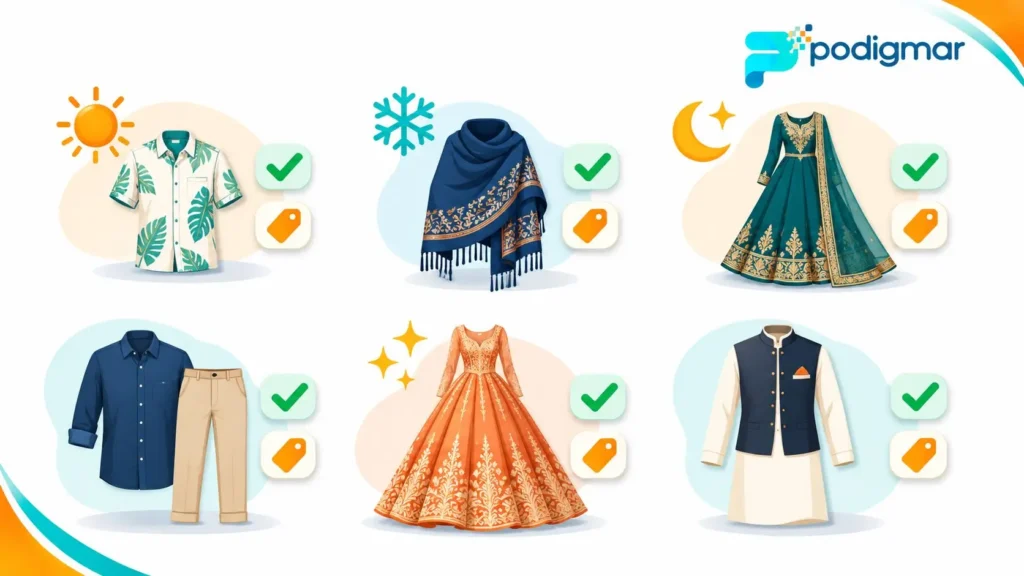
| Collection | Products to Promote | Advertising Angle |
|---|---|---|
| Summer Collection | Lawn suits, cotton shirts, trousers | Lightweight fabrics and seasonal styles |
| Winter Collection | Khaddar suits, shawls, jackets | Warmth, fabric and styling |
| Eid Collection | Formal suits, festive dresses | Occasion-based fashion |
| Casual Wear | Everyday shirts, trousers, co-ord sets | Everyday styling |
| Bridal & Formal | Luxury dresses, formal outfits | Design details and premium presentation |
| Men’s Collection | Kurta shalwar, shirts, waistcoats | Fit, fabric and occasion |
This organisation helps you create campaigns with a clear product focus.
Check stock before launching advertisements
One common problem for clothing brands is advertising products that are no longer available for customers to buy or order.
Before launching a campaign, confirm:
- Which designs are currently in stock and ready to purchase.
- Available sizes customers can select when placing an order.
- Available colours and fabric variations.
- Current product prices and promotional discounts.
- Restock dates, if customers can pre-order or reserve products.
- Whether the product is available for nationwide delivery and order fulfilment.
For example, if a clothing brand promotes a popular three-piece suit but only one size remains, customers may click the advertisement, visit the product page and discover that their preferred size is out of stock.
This can prevent potential buyers from adding products to their carts, completing checkout or confirming their orders. It also wastes advertising spend on products that cannot generate sales or revenue.
Keep your stock levels, product prices and availability updated throughout the campaign. If a design sells out, pause its advertisement or replace it with an available product. This helps direct potential customers towards items they can purchase, pay for and receive through your delivery service, increasing the opportunity to generate confirmed orders and completed sales.
Identify Your Target Cities and Customers
Location targeting matters for Pakistani clothing brands because delivery coverage, customer demand and physical store locations can differ.
A brand selling online across Pakistan may target several major cities, while a boutique with a physical shop may prioritise customers living near its location.
Consider these markets when planning campaigns:
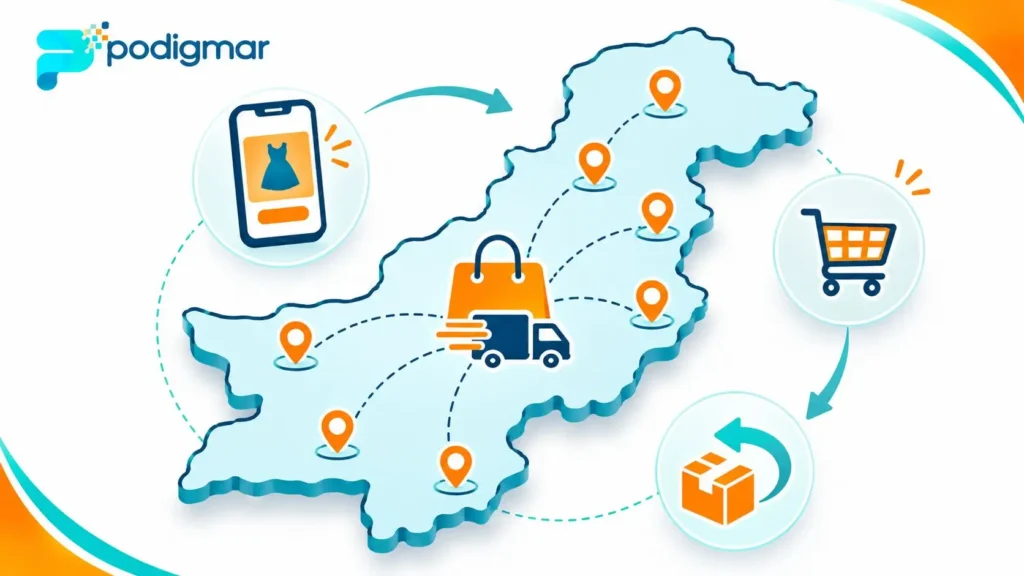
| City | Possible Customer Focus | Campaign Approach |
|---|---|---|
| Lahore | Fashion boutiques, formal wear, lawn and pret collections | Collection launches, local store promotions and online orders |
| Karachi | Casual wear, everyday fashion, formal and seasonal collections | Product-focused campaigns and nationwide delivery |
| Islamabad | Premium pret, formal wear and contemporary fashion | Quality, styling and collection presentation |
| Rawalpindi | Casual wear, family clothing and seasonal collections | Product offers and local delivery information |
| Faisalabad | Casual clothing, fabric and traditional wear | Fabric details, value and product variety |
| Multan | Seasonal fashion, traditional and formal clothing | Collection-based advertising and delivery convenience |
| Gujranwala | Everyday wear, family fashion and formal collections | Clear pricing, product visuals and ordering information |
These are planning examples, not verified city-level demand rankings. Your own customer records and campaign results should determine where you invest.
How to structure city targeting
If your brand has a physical store in Lahore, you can start by targeting suitable customers within your service area.
If you operate from Lahore but deliver nationwide, do not restrict your advertising to Lahore unnecessarily. Test other cities where you can fulfil orders reliably.
For example, you could compare:
- Lahore and nearby areas.
- Karachi.
- Islamabad and Rawalpindi.
- Faisalabad and Gujranwala.
- Multan and other delivery locations.
Avoid dividing a small advertising budget into too many separate campaigns. Start with a manageable structure and expand when you have enough performance data to justify it.
Also, remember that Meta’s location settings and audience options can change. Review the available controls in Ads Manager before launching.
Choose the Right Campaign Objective
The correct campaign objective depends on how your clothing business receives orders.
| Business Setup | Suitable Campaign Direction |
|---|---|
| Ecommerce website with working purchase tracking | Sales campaign optimised for purchases |
| Clothing brand taking orders through WhatsApp | Campaign with a messaging destination and suitable optimisation |
| Boutique promoting a new collection | Awareness or Sales, depending on the goal |
| Wholesale clothing business | Lead generation |
| Physical clothing store promoting a local offer | Awareness, messaging or another suitable conversion goal |
| Online store with several products | Sales campaign with relevant product catalogue options |
Website-based clothing brands
If customers purchase through your website, set up Meta Pixel and, where appropriate, Conversions API.
Check that important events are recorded correctly, including:
- PageView
- ViewContent
- AddToCart
- InitiateCheckout
- Purchase
These events help you understand what customers do after clicking your advertisements.
Do not assume that a purchase event is working simply because the Pixel is installed. Test the actual shopping journey and verify the events in Events Manager.
WhatsApp-based clothing brands
Some Pakistani clothing businesses receive most of their orders through WhatsApp or Instagram messages. In this case, your advertisements should encourage potential customers to enquire about products, check available sizes and colours, request prices, confirm delivery charges and place orders directly through chat.
Prepare quick replies, updated product catalogues and clear pricing information so your sales team can respond to enquiries, recommend suitable outfits and guide customers towards completing their purchases.
A messaging campaign can help generate product enquiries, order requests and conversations with potential buyers. However, receiving a message does not automatically mean you have secured a sale. Track how many enquiries turn into confirmed orders, completed payments and successfully delivered purchases. This helps you identify which advertisements are generating actual revenue for your clothing brand.
Create Fashion Ad Creatives That Show the Actual Products
For clothing brands, the visual presentation of a product is extremely important.
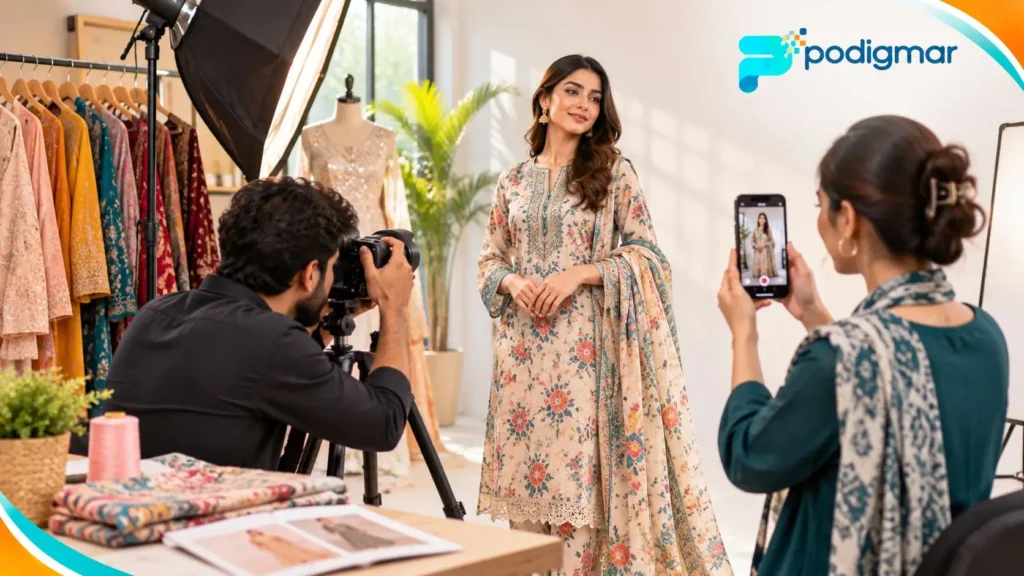
Customers want to understand how an outfit looks, how the fabric moves, what details it includes and how they can style it.
Your creative should answer these questions quickly.
Creative formats to test
1. Model photography
Show the complete outfit on a model. Include front and back views where useful, along with close-ups of important design details.
2. Instagram Reels
Create short videos showing different outfits, styling combinations and fabric details.
3. Product carousels
Display multiple designs or products from the same collection. This helps customers explore more options within one advertisement.
4. Styling videos
Show how the same outfit can be styled for different occasions.
5. Customer-generated content
Use genuine customer photographs or videos when you have permission to use them.
6. Collection launch creatives
Introduce a new collection with its name, product range, availability and launch information.
Include important product information
Your advertisements should communicate details that influence buying decisions:
- Product name or collection.
- Price or starting price, where appropriate.
- Available sizes.
- Available colours.
- Fabric details.
- Delivery information.
- Cash on Delivery availability, if offered.
- Clear ordering instructions.
Avoid using promotional language that creates confusion about the actual product or offer.
For example, an advertisement for an unstitched lawn collection should clearly communicate that it is unstitched. Customers should not have to contact your team just to understand what they are purchasing.
Plan Campaigns Around Seasonal Collections and Launches
Pakistani clothing brands often plan advertising around seasonal demand and important shopping occasions.
These can include:
- Eid collections.
- Ramadan shopping.
- Summer lawn launches.
- Winter collections.
- Wedding and festive seasons.
- Independence Day promotions.
- End-of-season sales.
- New product launches.
Instead of promoting everything at once, organise your campaigns around the products and occasions that matter to your business.
Example: Eid collection campaign
Imagine a clothing brand preparing to launch its Eid collection.
A practical campaign plan could look like this:
| Campaign Stage | What to Promote | Main Purpose |
|---|---|---|
| Before launch | Teaser videos and collection previews | Introduce the upcoming collection |
| Launch period | Product photography, Reels and carousels | Generate product interest and orders |
| During the campaign | Available designs, sizes and customer reviews | Help interested customers decide |
| After launch | Relevant retargeting advertisements | Reconnect with interested visitors |
Adjust the timing according to your production, stock, delivery capacity and launch schedule.
Do not advertise delivery promises that your business cannot fulfil, particularly during busy shopping periods.
7. Use Product Catalogues to Promote Available Clothing
If your clothing brand has an ecommerce website and a suitable product catalogue, catalogue advertising can help promote multiple products.
A product catalogue organises information such as:
- Product name.
- Product image.
- Price.
- Product description.
- Product URL.
- Availability.
- Product variations, where supported.
For example, a clothing brand with separate categories for lawn suits, casual wear and formal dresses can organise its product catalogue around these collections.
Depending on your setup and eligibility, Meta can use catalogue information to display relevant products to potential customers and people who have previously interacted with your store.
However, your catalogue must be accurate.
Check that product images, prices, sizes, colours and availability match your website. An outdated catalogue can advertise products that customers cannot purchase.
Set a Practical Advertising Budget
Your Meta Ads budget should reflect your business capacity, product margins and campaign goals.
There is no single budget that works for every clothing brand.
A small boutique testing one collection has different requirements from an established ecommerce business promoting hundreds of products.
Before setting your budget, consider:
- Product selling price.
- Cost of manufacturing or purchasing stock.
- Gross profit margin.
- Packaging and delivery expenses.
- Payment processing charges, where applicable.
- Expected returns and refused COD deliveries.
- Available advertising budget.
For example, if you sell a clothing item for PKR 4,000, you should not treat the entire PKR 4,000 as available profit for advertising.
Calculate what remains after product cost, packaging, delivery contributions, returns and other operating expenses.
Start with a budget your business can afford to test. Monitor results and make changes based on reliable data rather than increasing spending simply because an advertisement receives likes.
Track Orders, COD Deliveries and Campaign Performance
One of the biggest mistakes clothing brands make is measuring advertising success through likes, comments and clicks alone.
These metrics can help explain engagement, but they do not tell you how much money your business actually earns.
Track the complete customer journey.
| Metric | What It Tells You |
|---|---|
| Reach | How many people saw your advertisements |
| Link clicks | How many people clicked your advertisements |
| Landing page views | How many people loaded your website page |
| Add to Cart | How many visitors added products to their carts |
| Initiate Checkout | How many started checkout |
| Purchases | How many purchase events were recorded |
| Cost per purchase | Advertising cost for each recorded purchase |
| Confirmed orders | Orders verified by your business |
| Delivered orders | Orders successfully delivered |
| Return or refusal rate | How many orders were returned or refused |
Why COD tracking matters in Pakistan

Cash on Delivery can make online clothing purchases convenient, but an order placed is not necessarily a completed sale.
Some customers may not answer confirmation calls, cancel orders or refuse delivery.
For this reason, compare Meta’s reported purchases with your actual order records.
Where possible, track:
- Orders received.
- Orders confirmed.
- Orders dispatched.
- Orders delivered.
- Orders returned or refused.
This gives you a clearer picture of advertising profitability.
A campaign with a low cost per purchase may still be unprofitable if many orders are cancelled or returned.
Build a Simple Retargeting Strategy
Not every customer purchases after seeing your advertisement for the first time.
Some people visit your website, view a product, add it to their cart or interact with your Instagram content before making a decision.
Retargeting allows you to reconnect with eligible audiences who have previously interacted with your business.
You can consider audiences such as:
- Website visitors.
- Product viewers.
- Add-to-cart visitors.
- Previous customers.
- Instagram account engagers.
- People who watched your video advertisements.
For example, a customer visits your website and views a formal suit but does not complete checkout.
A relevant follow-up advertisement could show that collection again, highlight available sizes or explain delivery options.
Use suitable audience exclusions where possible, such as excluding recent purchasers from advertisements intended to acquire first-time customers.
Follow Meta’s current audience, privacy and advertising requirements when building these campaigns.
Common Meta Ads Mistakes Clothing Brands Should Avoid
Avoid these mistakes when planning your campaigns:
Promoting unavailable products: Check stock before launching advertisements and update campaigns when products sell out.
Using only attractive photographs: Include product details, videos, styling ideas and useful buying information.
Targeting too many cities without a plan: Start with locations your business can serve reliably and expand using actual order data.
Choosing the wrong objective: A campaign optimised for traffic may generate visits without generating purchases.
Ignoring customer questions: Respond to enquiries about sizing, fabric, price and delivery promptly.
Making unrealistic delivery promises: Advertise only delivery timelines your business can reasonably meet.
Measuring likes instead of orders: Evaluate confirmed and delivered orders alongside advertising metrics.
How Prodigmar Helps Clothing Brands Plan Meta Ads
Running successful clothing advertisements requires more than uploading product photographs and selecting an audience.
Your campaigns need a clear strategy that connects collections, creative, product availability, customer experience and sales measurement.
Prodigmar helps retail and fashion businesses plan digital marketing around their products and business objectives.
Our support can include:
- Meta Ads campaign planning and management.
- Fashion-focused advertising creative and content strategy.
- Audience and location targeting.
- Collection launch campaign planning.
- Ecommerce advertising strategy.
- Conversion tracking and campaign performance analysis.
Whether your clothing brand operates in Lahore, Karachi, Islamabad, Rawalpindi, Faisalabad or delivers across Pakistan, your advertising strategy should reflect your actual customers and fulfilment capabilities.
Want to Make Your Meta Advertising More Effective?
Contact Prodigmar to discuss your retail marketing goals and explore a practical advertising strategy for your business.
Contact ProdigmarFrequently Asked Questions
Meta Ads can help clothing brands reach relevant audiences, introduce new collections, generate website purchases and receive customer enquiries. Results depend on product demand, creative quality, campaign setup, pricing, customer experience and fulfilment.
Start with the cities where you already have customers or can deliver reliably. Lahore, Karachi, Islamabad, Rawalpindi, Faisalabad and Multan are useful locations to consider. Compare actual orders and profitability before expanding your campaigns.
Both platforms can support clothing campaigns. Instagram is useful for visual formats such as Reels, Stories and product photography, while Facebook can provide additional audience and placement opportunities. You can test suitable placements through Meta Ads Manager and evaluate actual results.
Product photography, try-on videos, styling Reels, collection carousels and genuine customer content are useful formats to test. Show the actual product, important details, available sizes and relevant ordering information.
Choose based on how your customers purchase. Use a website-focused Sales campaign when your ecommerce store has reliable purchase tracking. If customers place orders through WhatsApp, use a suitable messaging campaign and record which conversations become confirmed orders.
Your budget depends on product margins, campaign goals, available stock and business capacity. Start with an affordable testing budget, monitor qualified orders and delivered sales, and increase spending only when the results support it.
Small boutiques can use focused collections, distinctive product photography, clear pricing and relevant local campaigns to reach potential customers. They should concentrate on the products and audiences they can serve well rather than trying to compete with larger brands on advertising spend alone.
Final Thoughts
Meta Ads can support clothing brands at different stages, from introducing a new boutique to promoting seasonal collections and generating ecommerce orders.
The key is to plan campaigns around your actual products, available stock, target cities and customer buying journey.
For Pakistani clothing businesses, this also means considering COD orders, delivery coverage, size availability and the time required to handle customer enquiries.
Start with a clear goal, create useful product-focused advertisements, measure real orders and improve your campaigns using business data.
A well-planned advertising strategy should help your clothing brand attract relevant customers and make better use of its marketing budget.


