
Why Website Design and Digital Marketing Must Work Together


A website no longer works as a static brochure. Instead, it acts like a digital storefront, sales assistant, and brand storyteller combined. When website design and digital marketing align, visitors don’t just browse. They engage, trust, and convert with far less friction.
Today’s users arrive with intent. Some want answers quickly. Others compare options silently. Design shapes first impressions, while marketing guides the journey. When these disciplines work together, every click feels intentional rather than accidental.
The Relationship Between Website Design and Digital Marketing
Strong websites don’t exist in isolation. They support campaigns, capture leads, and reinforce messaging. Without design alignment, even the smartest campaigns struggle to convert traffic into measurable outcomes.
Likewise, design without marketing lacks direction. Beautiful pages mean little if users never arrive. The harmony between website design and digital marketing ensures visibility, usability, and persuasion move in the same direction.
How First Impressions Influence User Decisions
People judge websites quickly. Often within seconds. Layout, spacing, typography, and color create emotional signals before a single word gets read.
When design supports marketing goals, pages guide attention naturally. Calls to action feel obvious, not forced. This balance improves trust while quietly encouraging visitors to move forward.
SEO Starts With Smart Web Design

Search engines read structure before content. Clean code, logical hierarchies, and fast loading times help pages perform better. These elements form the foundation of web design SEO best practices.
Design decisions also affect crawlability. Clear navigation and internal linking help search engines understand page relationships. When design supports SEO, rankings improve without constant content rewrites.
User Experience Connects Design and Search Performance
Search engines reward positive experiences. Pages that load quickly and remain stable earn trust signals. These signals directly influence visibility and ranking potential.
Good UX keeps users engaged longer. Lower bounce rates and higher interaction levels send positive feedback to algorithms, strengthening the connection between user experience and SEO benefits.
Responsive Design Is No Longer Optional
Mobile traffic dominates most industries. Sites that fail on small screens frustrate users immediately. That frustration often ends sessions before engagement begins.
The responsive web design importance lies in consistency. When layouts adapt smoothly, marketing messages remain clear across devices. This continuity protects both rankings and conversions.
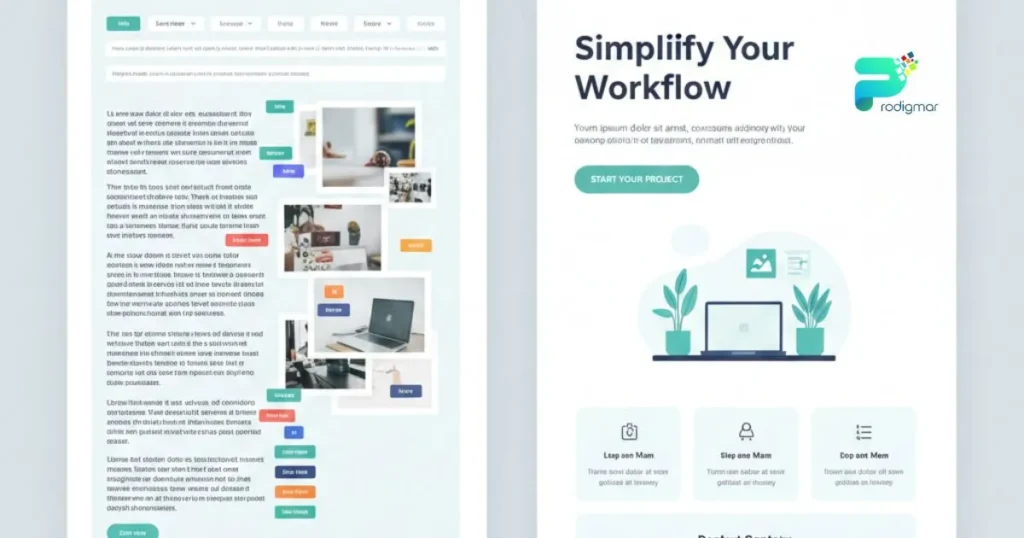
Many campaigns attract traffic successfully but fail to convert. The issue often isn’t targeting. It’s experience. Confusing layouts and cluttered pages break momentum.
When campaigns and design align, landing pages feel purposeful. Messaging flows naturally into action. This harmony strengthens conversion rate optimization web design strategies across channels.
Well-designed pages guide decisions subtly. Visual hierarchy directs eyes. White space reduces mental load. Clear typography improves comprehension.
These elements support marketing goals quietly. Instead of pushing messages aggressively, design removes obstacles. Visitors feel confident progressing without feeling manipulated.
Branding doesn’t stop at logos. Colors, tone, spacing, and imagery must remain consistent across ads, emails, and websites. Consistency builds familiarity.
When design and marketing collaborate, branding feels unified. This unity strengthens digital marketing and branding, making each interaction reinforce the last.
Agencies often separate SEO and design tasks. That separation creates inefficiencies. Search performance improves faster when both teams collaborate early.
Optimizing layouts for keywords, readability, and speed helps agencies deliver better outcomes. Effective SEO for web design agencies begins at the wireframe stage.
Where content appears matters as much as what it says. Users scan pages quickly. Strategic placement improves comprehension and retention.
Designers who understand marketing intent place key messages where attention naturally falls. This cooperation increases engagement without overwhelming visitors.
Colors influence mood. Button shapes affect clicks. Font choices impact readability. These details shape how users feel while navigating.
When marketing insights guide design, psychological triggers work ethically. Visitors feel informed rather than pressured, improving long-term trust and loyalty.
Successful brands align ads, landing pages, and site architecture. Each element supports the same narrative. This alignment reduces confusion and increases clarity.
Real-world integrated marketing strategy examples show higher conversion rates because users experience one consistent story rather than disconnected messages.
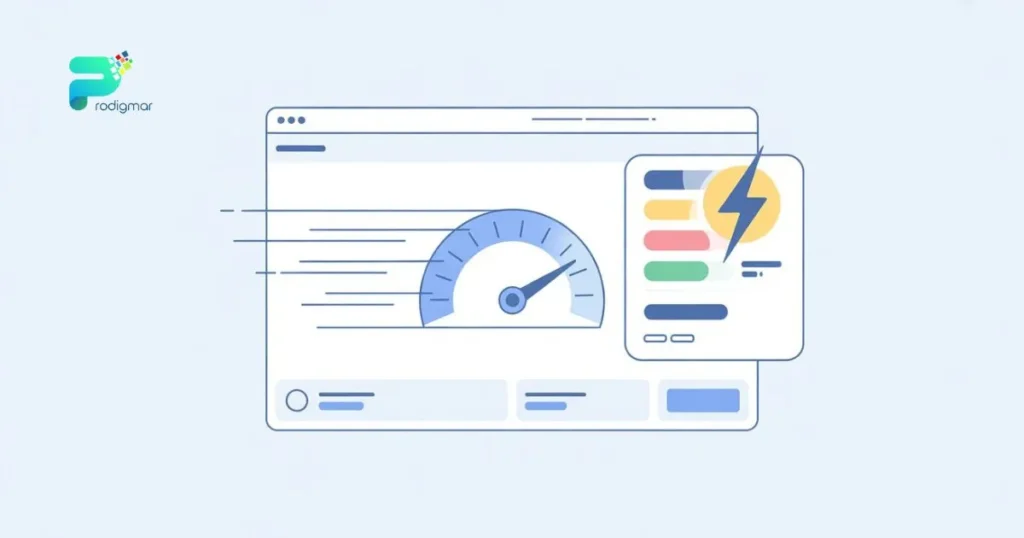
Slow websites lose visitors fast. Even minor delays create frustration. Speed influences both user satisfaction and search rankings simultaneously.
Design optimization reduces load times. Efficient layouts and optimized media support campaigns while strengthening technical performance signals.
Simple navigation helps users explore confidently. Clear labels reduce hesitation. Predictable layouts feel familiar.
Applying thoughtful UX web design tips ensures marketing messages land smoothly. Users shouldn’t struggle to understand what to do next.
Analytics reveal how users behave. Heatmaps show attention patterns. Session recordings expose friction points.
When marketers share insights with designers, improvements become targeted. Changes focus on real behavior instead of assumptions, improving results consistently.
Trust forms quickly online. Clean design and consistent messaging reduce skepticism. Broken layouts or outdated visuals raise doubts instantly.
Marketing builds credibility through messaging. Design reinforces it visually. Together, they establish authority without shouting.
Growth doesn’t come from isolated tactics. It comes from systems working together. Design supports acquisition. Marketing supports retention.
When website design and digital marketing operate as one system, optimization becomes continuous rather than reactive.
Accessible design expands audiences. Clear contrast, readable fonts, and keyboard navigation improve usability for everyone. Inclusive design improves engagement metrics. Those metrics indirectly support marketing performance and search visibility.
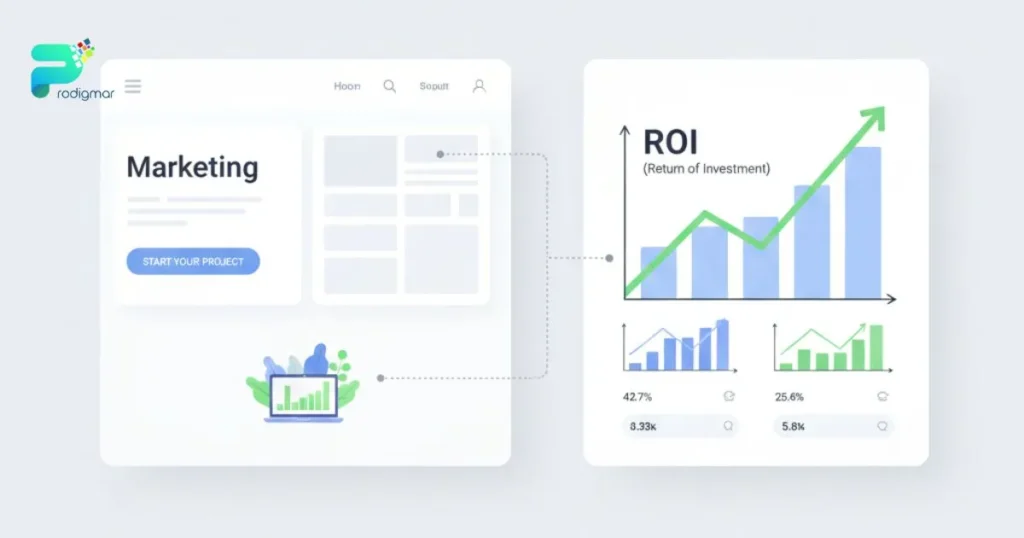
First visits matter, but repeat visits matter more. Loyalty grows through positive experiences. When website design and digital marketing reinforce trust repeatedly, users return willingly and recommend confidently.
Frequently Ask Questions
Why must website design and digital marketing work together?
How does web design impact digital marketing results?
Does responsive design affect digital marketing success?
How does UX design support SEO and marketing goals?
Can digital marketing succeed without strong web design?