Best Website Auditing Tools for Growth Marketers: 2026 Guide by Prodigmar

Growth marketing no longer runs on instincts alone. Precision matters. Modern teams rely on website auditing tools to uncover hidden barriers, missed rankings, and performance leaks before they hurt revenue. In 2026, audits shape smarter decisions, faster fixes, and measurable gains.
Think of auditing as a health scan for digital assets. Just like athletes track vitals, marketers monitor crawlability, speed, and content signals. When insights arrive early, optimization becomes proactive instead of reactive. That’s how sustained growth actually happens.
Website auditing tools analyze your site’s technical health, performance, and search visibility to uncover issues limiting growth. They evaluate crawlability, speed, content quality, and user experience, helping marketers prioritize fixes that improve rankings, conversions, and long-term scalability.
Understanding Website Audit Tools and Their Purpose
Website audits reveal how search engines and users experience your site. They uncover broken paths, bloated scripts, and weak content signals. Without audits, teams often optimize blindly, which wastes effort and slows progress.
More importantly, audits translate complexity into clarity. They connect technical findings to business outcomes. That’s why website auditing tools now guide prioritization, budget allocation, and long-term SEO planning across competitive industries.
Key Website Auditing Capabilities to Look For
Strong audit platforms don’t just surface issues. They explain impact. You need visibility into performance, indexing, and content signals without digging through noise. Clear insights save time and prevent decision paralysis.
Additionally, the best solutions evolve with search behavior. As AI reshapes discovery, tools must track experience signals, not just keywords. Choosing flexible platforms future-proofs your optimization strategy.
In-Depth Technical SEO Diagnostics, Page-Level SEO Evaluation, Speed, Performance & Core Web Vitals Insights, Clear, Action-Driven Reports, Tool Integrations & Data Connectivity, Ongoing Site Health Monitoring, AI & Search Experience Optimization Support
Effective audits blend crawling precision with human-readable guidance. Technical diagnostics catch indexing flaws. Page analysis highlights relevance gaps. Performance metrics expose friction. Actionable reports simplify fixes. Integrations centralize data. Continuous monitoring prevents regressions. AI visibility tracking prepares sites for evolving search experiences.
Top Website Auditing Platforms for Growth Teams

Growth teams favor platforms that scale with ambition. The right solution adapts to expanding content libraries, new markets, and shifting algorithms. Static tools simply can’t keep pace.
Advanced platforms also promote collaboration. Shared dashboards align SEO, content, and development teams. When everyone works from the same insights, execution speeds up dramatically.
Top Free SEO Audit Tool for Quick Website Health Checks
Free audit tools help establish baselines fast. They surface crawl errors, metadata gaps, and mobile issues within minutes. That immediate clarity supports early optimization decisions.
However, free tools work best as entry points. They identify symptoms, not root causes. Use them to prioritize deeper analysis rather than replacing full audits entirely.
Top free audit tools you can use for a quick website health check
1. Google Search Console
Industry-standard tool from Google for SEO visibility, indexing, and crawl reports. Shows crawl errors, mobile usability issues, and search performance insights.
🔗 https://search.google.com/search-console
2. Ahrefs Webmaster Tools (Free SEO Audit Tool)
Crawls your site for 170+ SEO issues like Core Web Vitals, indexability problems, and duplicate content. Provides a site health score.
🔗 https://ahrefs.com/site-audit
3. Webpulls Free SEO Audit Tool
AI-driven site analyzer that checks technical SEO, on-page issues, performance, and competitor gaps in one free report.
🔗 https://webpulls.com/free-seo-audit-tool
4. Screaming Frog SEO Spider (Free Version)
Desktop crawler auditing up to 500 URLs for broken links, missing metadata, site structure issues, and technical SEO signals.
🔗 https://www.screamingfrog.co.uk/seo-spider/
5. Okrank Free SEO Audit Checker
Provides a fast SEO health overview across 47 key metrics including on-page performance, content structure, and Core Web Vitals.
🔗 https://okrank.in/free-seo-audit-tool/
6. Web Analyzer / Webpulls Free Web Analyzer
Checks SEO, speed, technical, and mobile usability with actionable recommendations in one report.
🔗 https://webpulls.com/web-analyzer-free
Best SEO Auditing Platform for Content & Editorial Teams
Content teams need clarity, not code. Platforms built for editorial workflows highlight cannibalization, thin pages, and intent mismatches. That guidance keeps publishing aligned with demand.
Editorial-focused audits also reveal internal linking opportunities. When content clusters strengthen authority naturally, rankings stabilize and engagement improves across the site.

AI-driven search rewards experience, structure, and clarity. Tools that evaluate semantic depth and entity coverage now matter more than raw keyword density.
Forward-looking audits also track how content appears in generative results. That insight helps teams optimize for visibility beyond traditional blue links.
Balanced platforms combine usability with depth. They serve startups and enterprises alike without overwhelming users. Flexible pricing makes advanced insights accessible.
These tools often become central hubs. From technical audits to content optimization, everything lives in one interface, which simplifies long-term growth planning.
1. Semrush Site Audit
A comprehensive platform that crawls and reports on technical issues, broken links, content health, site speed, and Core Web Vitals. Easy dashboards and proactive alerts make it ideal for agencies and growing businesses.
2. Ahrefs Site Audit
Known for strong backlink insights and clean crawl reports, Ahrefs also tracks performance, HTML issues, and advanced SEO metrics. It’s user‑friendly and excellent for both technical and content SEO teams.
3. Screaming Frog SEO Spider + Data Studio
While the free crawl limits are modest, combining Screaming Frog with Google Data Studio gives deep technical control on a flexible budget — perfect for developers and SEO specialists.
Competitive audits reveal why rivals outrank you. They expose content gaps, backlink velocity, and structural advantages others leverage.
Market-level insights also guide strategy shifts. When trends change, teams adapt faster by benchmarking against real competitors instead of assumptions.
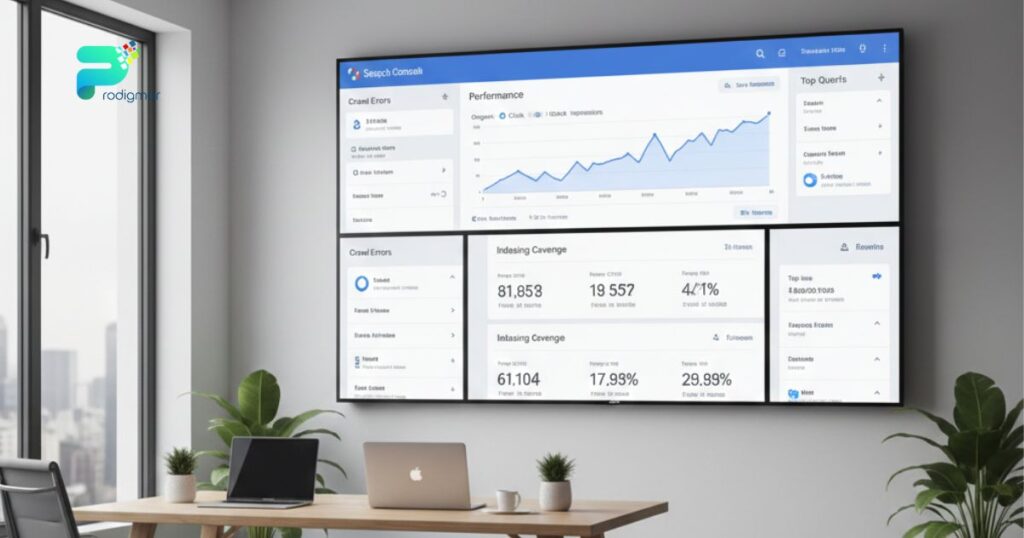
Google’s native tools offer unmatched accuracy. They show how Google actually crawls, indexes, and ranks pages. That transparency builds trust in the data.
While limited in scope, these tools remain essential. They validate fixes and confirm whether optimizations align with search engine expectations.
Audit frequency depends on growth velocity. Static sites need fewer checks. Rapidly evolving platforms require constant oversight.
Regular audits prevent small issues from compounding. Early detection saves resources and protects rankings during expansion phases.
Early-Stage Website Audits, Growth-Phase Audit Frequency, Enterprise-Level Audit Processes, Creating a Consistent Audit Schedule
New sites benefit from monthly reviews. Growing platforms audit quarterly. Enterprises monitor continuously. Consistent schedules create accountability and ensure optimization stays proactive rather than reactive.
Checklists reduce oversight. They ensure no critical signal slips through unnoticed. From crawlability to content quality, structure brings discipline to audits.
Well-maintained checklists also improve collaboration. Teams align faster when everyone follows the same evaluation framework.
Site Crawling & Discoverability, Index Coverage & Visibility Issues, On-Page SEO Factors, Search Rankings Tracking, Content Relevance & Quality Signals, Website Structure & Internal Linking, Technical SEO Foundations, Scripts, Tags & Code Optimization, International & Multilingual SEO Considerations
Comprehensive audits examine discovery paths, indexing health, on-page clarity, ranking trends, content strength, architecture, technical stability, code efficiency, and global targeting. Each layer reinforces the next.
In today’s competitive landscape, website auditing tools give you clarity, direction, and speed. When used strategically, they uncover growth blockers, sharpen performance, and protect visibility. Combine the right tools with expert execution, and your site stops guessing and starts scaling with data-driven SEO, technical precision, and sustainable results.
Frequently Ask Questions
Which free audit tool is best for a fast site overview?
Is continuous site monitoring better than periodic audits?
How can audit insights be tied to business revenue?
Which SEO fixes usually deliver the quickest results?
Can website auditing tools integrate with analytics and CRM systems?
Most modern platforms integrate smoothly with analytics tools and CRM systems. This connection lets you track how technical fixes influence user behavior, lead quality, and revenue instead of viewing SEO data in isolation.