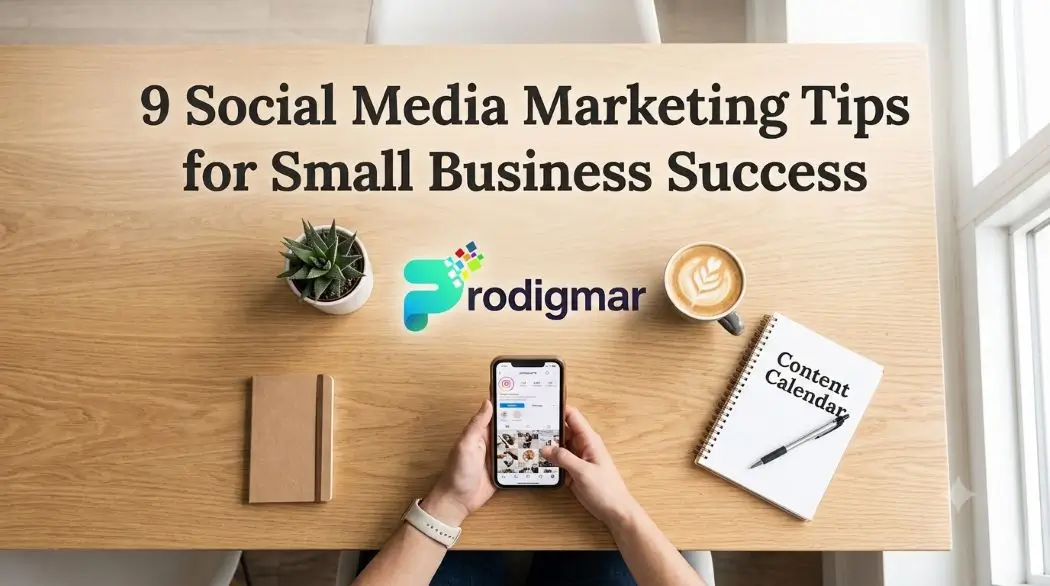
If you run a small business, you already know the feeling: you post something on Instagram or Facebook, wait for likes and comments, and… not much happens. You’re not alone. Most small business owners aren’t short on effort — they’re short on strategy.
The truth is, social media marketing tips for small business owners don’t need to be complicated or expensive. You don’t need a huge team, a big budget, or fancy editing software. What you need is a clear plan built around your actual customers, consistent posting, and a willingness to show up as a real, trustworthy brand.
In this guide, we’ll walk through 9 practical, proven tips you can start using today — whether you’re a local bakery, a boutique consulting firm, or an online store just getting off the ground. These are the same fundamentals we use at Prodigmar, a digital marketing agency, when helping small businesses build social media strategies that actually convert. Let’s get into it.
The best social media strategy for a small business focuses on one or two platforms where your ideal customers already spend time, combines educational and relatable content with short-form video, and prioritizes fast engagement with comments and messages. Consistency and authenticity matter more than posting volume or production quality.
| Quick Overview | Details |
|---|---|
| Best platforms | Instagram, Facebook, TikTok, LinkedIn (depending on audience) |
| Ideal posting frequency | 3–5 times per week per platform |
| Best content types | Short-form video, customer stories, educational tips |
| Budget needed to start | $0–$200/month for tools and light ad spend |
| Time investment | 3–5 hours per week for a solo owner |
| Main goal | Build trust, drive engagement, generate leads |
Before jumping into the tips, it’s worth understanding why this matters so much right now.
Most customers research a business on social media before they ever visit a website or walk into a store. They want to see real people, real reviews, and real proof that a business delivers on its promises. For small businesses, social media is often the most affordable way to compete with bigger brands — because trust, not ad budget, is what wins customers over.
Done right, social media marketing can help small businesses:
Now let’s look at exactly how to make that happen.
If your traffic has been sliding and you're not sure whether AI Overviews, a Core Web Vitals issue, or outdated content is to blame, our team can run a full visibility audit and show you exactly where you're losing ground - and how to fix it.
Get a Free SEO Audit from Prodigmar →
This is the step most small businesses skip — and it’s the reason so many social media efforts fall flat.
Before you write a single caption, get specific about who you’re talking to. Ask yourself:
For example, a home cleaning service targeting busy parents in a specific city will create very different content than a B2B software company targeting operations managers. One might focus on relatable, fast video tips on Instagram Reels. The other might lean into LinkedIn posts about efficiency and cost savings.
| Factor | SEO | PPC |
|---|---|---|
| Time to Results | 3–6+ months | Immediate |
| Cost Structure | Upfront investment, compounds over time | Ongoing, scales with spend |
| Control | Less direct control over rankings | Full control over budget and targeting |
| Best For | Long-term brand equity, informational content | Product launches, time-sensitive offers |
You don’t need to be everywhere. In fact, trying to manage five platforms with no team usually leads to burnout and inconsistent posting — which hurts more than it helps.
Instead, pick one or two platforms based on where your audience actually spends time.
Random posting rarely leads to real results. A basic content calendar helps you stay consistent without scrambling for ideas every day.
You don’t need expensive software — a simple spreadsheet or free tool works fine. Plan for a mix of:
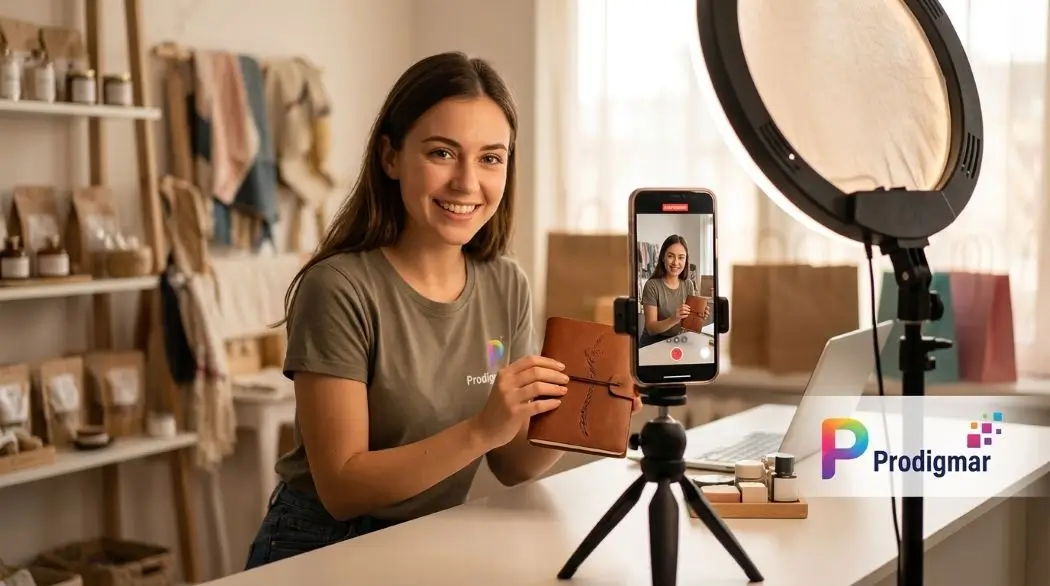
If there’s one tip that consistently outperforms the rest right now, it’s this one. Short-form video — Reels, TikToks, and YouTube Shorts — continues to get significantly more reach than static images or text posts.
The good news: you don’t need professional equipment. A smartphone, natural lighting, and a clear message are enough.
Ideas that work well for small businesses:
People follow small businesses that teach them something useful, not just ones that constantly sell. Educational content builds trust and positions you as the expert in your space.
Examples:
This kind of content gets saved, shared, and remembered — which naturally builds authority and keeps your business top of mind.
Social media algorithms favor accounts that generate conversation — and customers favor businesses that respond quickly.
If someone comments on your post or sends a DM asking about pricing or availability, a slow response can cost you the sale. Fast, friendly engagement signals that your business is active, trustworthy, and easy to work with.
Nothing builds trust faster than real customers talking about your business. This is one of the most underused social media marketing tips for small business owners, yet it’s often the easiest to execute.
Ways to use social proof:
You don’t need a celebrity endorsement to see results. Local micro-influencers — creators with anywhere from a few thousand to around 50,000 engaged followers — often deliver stronger results for small businesses because their audiences trust their recommendations.
A local coffee shop partnering with a food blogger in the same city, for example, can drive real foot traffic at a fraction of the cost of a large influencer campaign.
Digital marketing trends move fast, and DIY-ing all of it, SEO, PPC, AI tools, social, content, isn't realistic for most businesses. Prodigmar helps businesses cut through the noise with a strategy built around what's actually working right now.
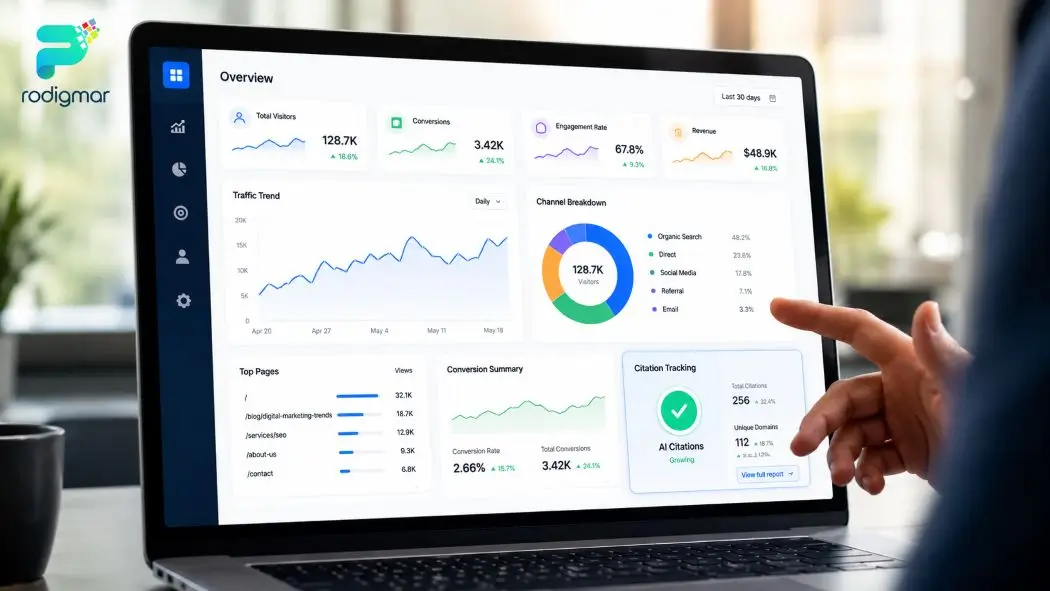
Talk to a Prodigmar Strategist →Posting without checking results is like running ads without checking if they convert. Every major platform offers free built-in analytics.
Keep an eye on:
Even well-intentioned businesses fall into these traps:
Avoiding these mistakes alone can significantly improve your results, even without doing anything else differently.
| Platform | Best For | Content Style |
|---|---|---|
| Retail, food, beauty, lifestyle brands | Photos, Reels, Stories | |
| Local businesses, community engagement | Updates, events, reviews | |
| TikTok | Brand awareness, younger audiences | Short-form video, trends |
| B2B services, consultants, professionals | Articles, insights, case studies | |
| Home, design, fashion, DIY | Idea boards, tutorials |
Most small businesses see the best results posting 3 to 5 times per week on their primary platform. Quality and consistency matter far more than volume. Posting daily with weak content usually performs worse than posting a few times a week with genuinely useful or engaging content.

This depends on your time, budget, and goals.
Managing it yourself makes sense if:
Hiring an agency or freelancer makes sense if:
Many small businesses start by managing social media themselves, then bring in outside help once growth demands more consistent output. This is exactly where an agency like Prodigmar can step in — handling strategy, content, and execution so you can focus on running your business while your social presence keeps growing.
Social media marketing for small businesses doesn’t require perfection — it requires consistency, authenticity, and a genuine focus on your audience’s needs. Start with one platform, use these social media marketing tips for small business growth as your foundation, and adjust based on what your data tells you.
Small, steady effort compounds over time. The businesses that win on social media aren’t always the flashiest — they’re the ones that show up consistently and build real trust with their audience.
Social media marketing for small businesses is the process of using platforms like Instagram, Facebook, and TikTok to build brand awareness, engage with customers, and generate leads or sales, typically without a large advertising budget.
It depends on your audience. Instagram and Facebook work well for local and retail businesses, TikTok is strong for reach and younger audiences, and LinkedIn is best for B2B and professional services.
Organic social media marketing can cost as little as $0 if you manage it yourself, while paid ads typically start around $5–$20 per day. Hiring an agency or freelancer can range from a few hundred to several thousand dollars per month, depending on scope.
Most small businesses see solid results posting 3 to 5 times per week on their main platform, focusing on consistency rather than posting every single day.
Yes. Educational content, clear calls-to-action, quick responses to comments and messages, and consistent posting all contribute to turning social media followers into real leads and customers.
If you have time and enjoy creating content, managing it yourself can work well, especially early on. As your business grows and you need more consistent output and strategy, hiring an agency or freelancer often becomes the better option.

Every business is different. Book a free 1-on-1 consultation with a Prodigmar strategist and get a custom social media growth plan built around your goals, your budget, and your audience.
Click to chat